 Belgrade, Serbia
 info@alu-pvcbogdanovic.rs
 Mon – Fri: 08 AM – 04 PM
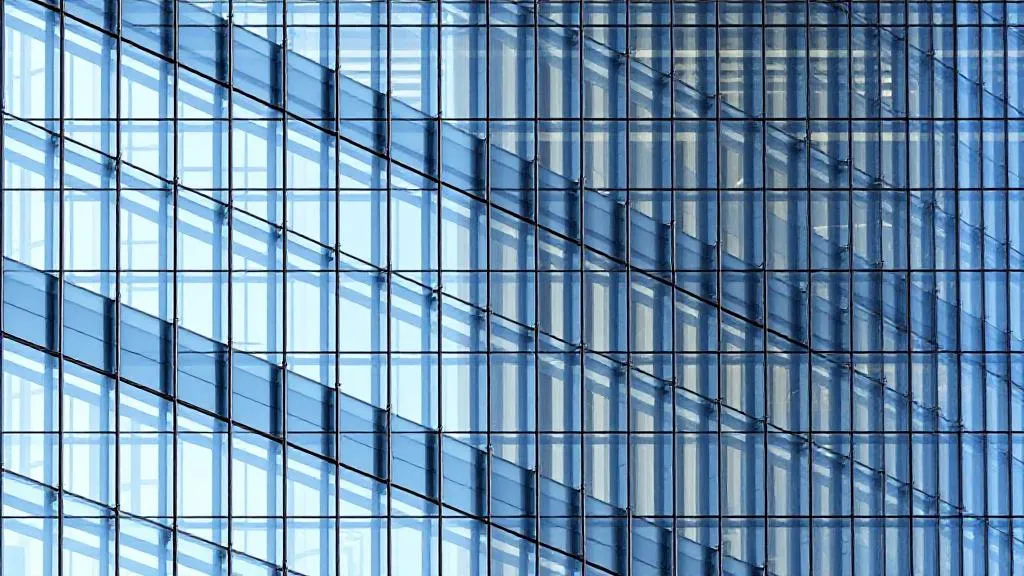
Aluminum profiles for façades – function, types, and technical characteristics
Aluminum profiles form the basic structure of glass façades. Their role is to support glass units, ensure the mechanical stability of the entire system, and enable the installation of seals, fittings, and thermal insulation elements. Depending on the façade type (structural, semi-structural, spider, ventilated), different profile shapes and systems are selected. Aluminum is the most commonly used material due to its corrosion resistance, low weight, and good mechanical properties.
Aluminum profiles are a key structural element of glass façades. Their function is not only mechanical, but also thermal, aesthetic, and functional. With the correct selection of systems, finishes, and installation methods, a durable, stable, and energy-efficient façade construction is achieved that meets modern architectural and building requirements.
Role of aluminum profiles in façade systems
Profiles represent the load-bearing grid onto which glass or composite façade claddings are mounted. In addition to their mechanical function, they also enable the integration of seals, thermal breaks, and drainage systems. The durability and performance of the entire façade depend on the correct selection and installation of profiles.
- Distribution of loads from glass, wind, and façade weight
- Fixation of glass modules from both the exterior and interior sides
- Allowing for expansion and compensation of temperature differences
- Integration of thermal breaks to improve the façade U-value
Types of aluminum profiles for façades
Profiles are classified according to systems and technical application. They can be part of a certified façade system or custom-made for specific projects.
- Standard façade profiles: elements for continuous façades with visible vertical and horizontal lines
- Structural profiles: enable glass fixing without visible external profiles (silicone or mechanical fixings)
- Semi-structural profiles: profiles visible in one direction (horizontal or vertical)
- Ventilation profiles: used in double-skin or ventilated façades, allowing airflow between layers
Thermally broken aluminum profiles
Aluminum is a good conductor of heat, which can negatively affect the overall thermal insulation of a façade. Therefore, profiles with thermal breaks are used – inserts made of polyamide or similar insulating materials that interrupt the conductive path through the profile.
- Polyamide strips between the interior and exterior sides of the profile
- Reduction of heat loss through the frame
- Improved energy efficiency of the façade
- Reduced risk of condensation on interior surfaces
Protective finishes and colors of aluminum profiles
Aluminum profiles are corrosion-resistant, but they are additionally treated to increase durability and achieve the desired aesthetic appearance. The final finish is selected according to architectural requirements and environmental conditions.
- Anodized profiles: an electrolytic process creating a protective oxide layer – resistant to scratching and UV radiation
- Powder-coated profiles: application of thermally cured powder coating, available in RAL colors
- Special textures: wood imitation, steel effect, matte finish
Load-bearing capacity and mechanical resistance
The dimensions and shape of the profile directly affect its ability to carry the weight of glass and withstand loads from wind, snow, and seismic activity. During the engineering design phase, structural calculations of profiles are performed in accordance with relevant standards.
- Resistance to bending and deformation
- Maximum span without additional supports
- Compatibility with load-bearing structures (steel, concrete)
Compatibility with glass and additional elements
Aluminum profiles must be compatible with the type of glass used – tempered, laminated, IGU, solar-control, or fire-resistant. They must also allow the installation of fittings, locks, openings, and seals in accordance with project requirements.
- Ability to install safety and acoustic glass
- Integration of movable elements (window, sash, blinds)
- Space for sealing gaskets, silicones, and tapes
Standards and certification
Aluminum profiles used in façade systems must be tested and declared in accordance with technical and safety standards. The most important standards include:
- EN 13830 – European standard for curtain wall façades
- EN 755 and EN 12020 – standards for aluminum profiles
- EN 1026 / EN 12207 – air permeability
- EN 1027 / EN 12208 – water tightness
- EN 12210 – wind resistance