We cover types of façades (structural, semi-structural, ventilated, spider), glass characteristics (UV protection, thermal insulation, safety, reflection), aluminum profiles, and technical standards applied in the design and execution of façade cladding. The content is intended for architects, contractors, investors, and everyone seeking precise and verified information related to glass façades. Below are the latest articles:
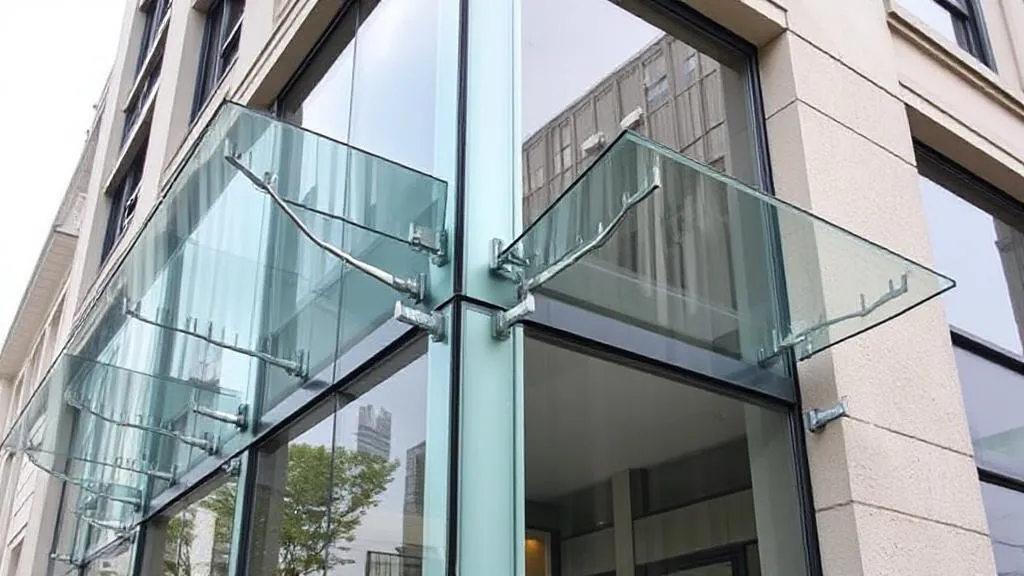
A ventilated glass façade is a system consisting of two layers – an external glass envelope and the internal load-bearing wall of the building – with a ventilated air cavity between them. This construction enables air circulation between layers, increasing energy efficiency, improving acoustic insulation, and ensuring a stable indoor climate. The system is used in high-performance buildings such as office complexes, hospitals, educational institutions, and energy-certified buildings.
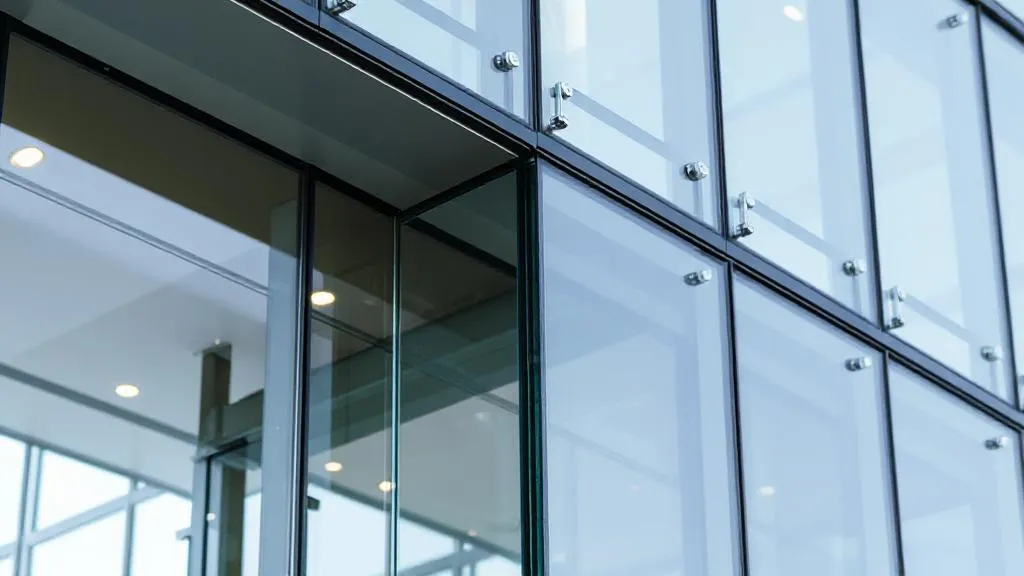
Facade glass with UV protection is used in modern construction to protect interior spaces from the harmful effects of ultraviolet (UV) radiation. The glass features a special coating that filters UV rays and reduces their transmission, preventing fading of furniture, textiles, floors, and other materials. This type of glass is most commonly applied in buildings with large glazed surfaces oriented to the south, southwest, and west, where exposure to sunlight is the most intense.
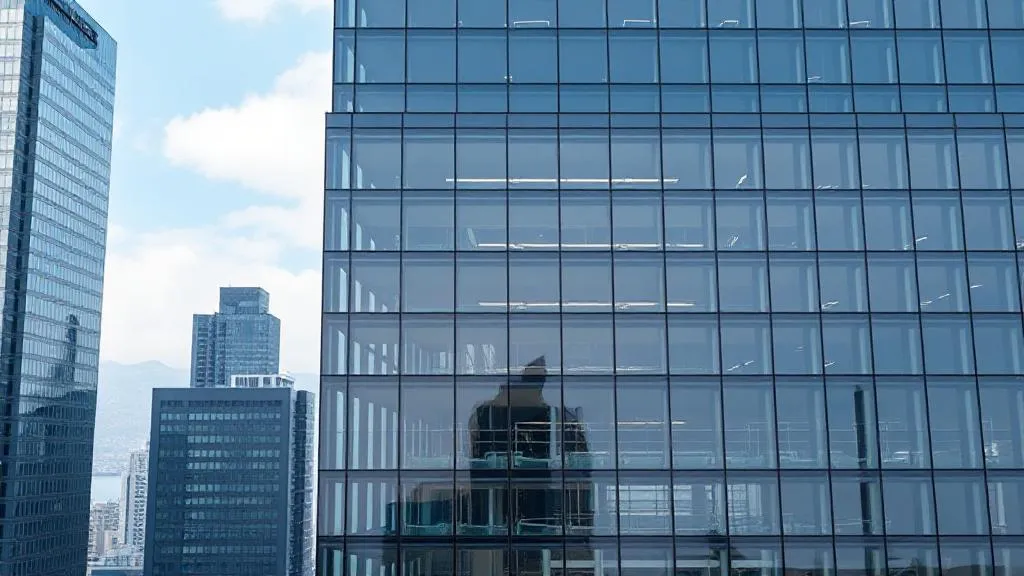
A thermally insulated glass façade is a system that uses multi-layer glass in combination with aluminum profiles featuring thermal breaks to achieve maximum energy efficiency of a building. These façades are a standard in modern construction of commercial and residential buildings, as they reduce heat loss in winter, limit overheating in summer, and contribute to lower heating and cooling costs.
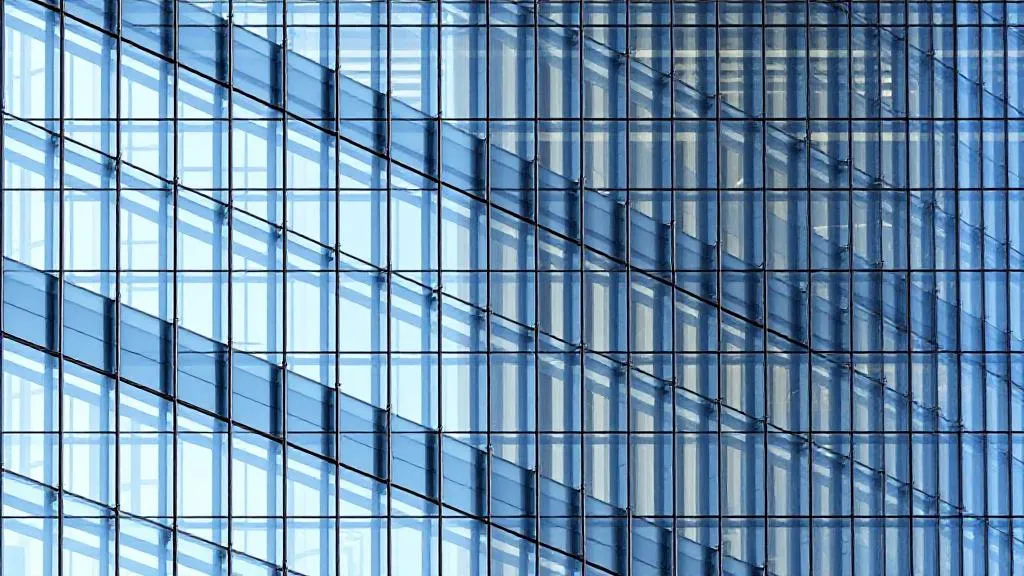
Aluminum profiles form the basic structure of glass façades. Their role is to support glass units, ensure the mechanical stability of the entire system, and enable the installation of seals, fittings, and thermal insulation elements. Depending on the façade type (structural, semi-structural, spider, ventilated), different profile shapes and systems are selected. Aluminum is the most commonly used material due to its corrosion resistance, low weight, and good mechanical properties.
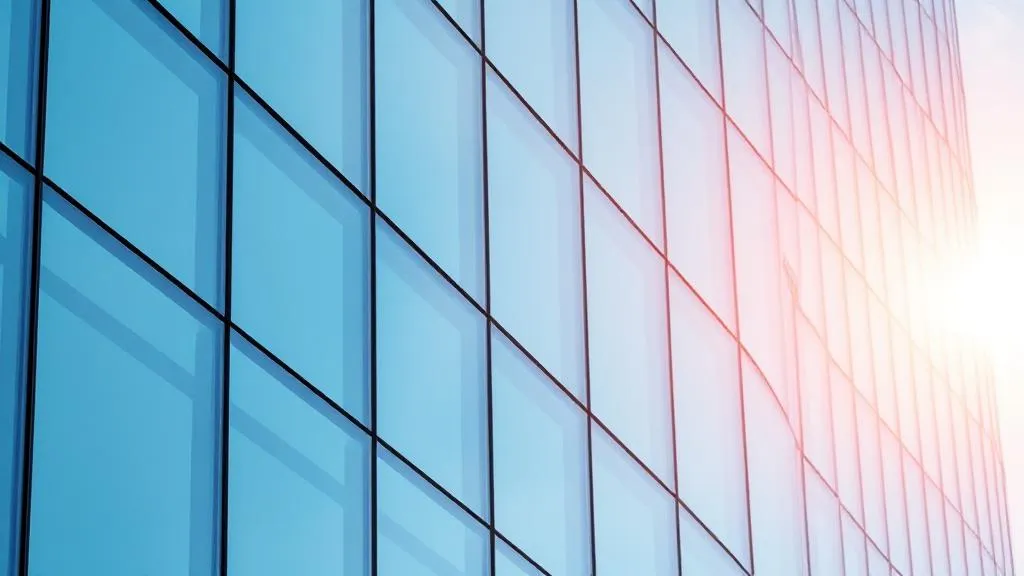
Glass façades allow natural daylight to enter a building, but they also act as a pathway for solar radiation, heat, and UV rays. Controlling radiation through glass façades has become a key component of energy efficiency and interior protection. Depending on the building’s location, orientation, climatic conditions, and intended use, different types of glass are selected to control radiation and protect the interior from overheating, UV damage, and energy loss.
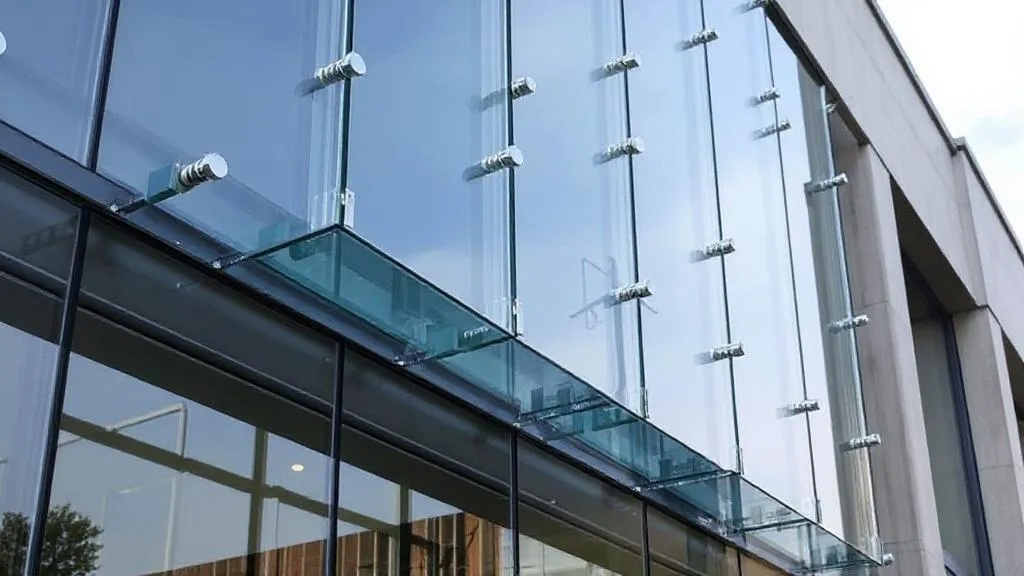
A fire-resistant glass façade is a specially engineered glass façade designed to meet fire-resistance requirements in accordance with prescribed classifications and standards. Such façades are used in buildings where protection against the spread of fire, smoke, and thermal radiation is required, while maintaining visual openness and natural daylight. The system typically involves the use of fire-rated glass combined with certified aluminum profiles and sealing components resistant to high temperatures.
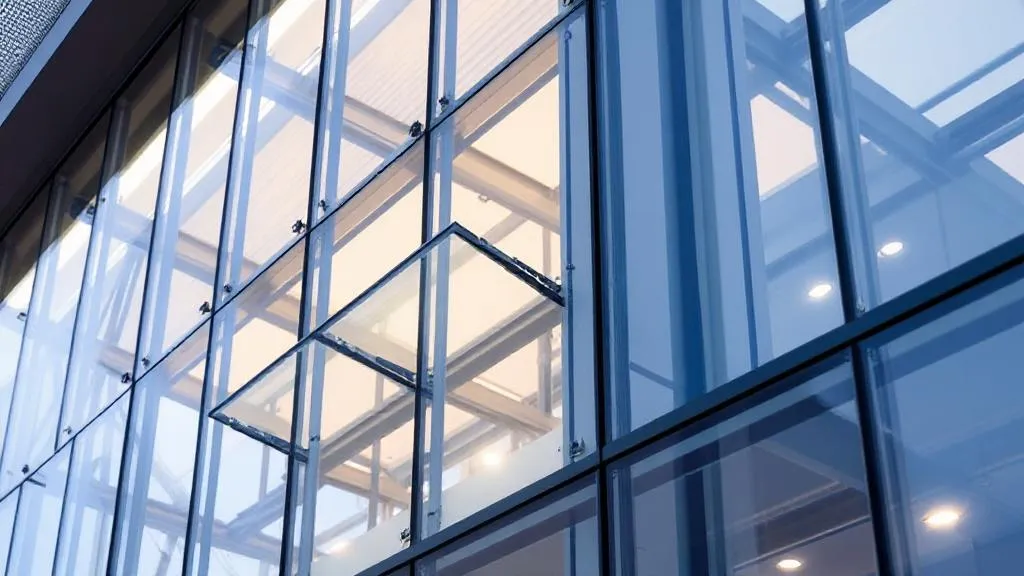
Safety glass for façades is specially processed glass that provides increased resistance to mechanical impact, temperature changes, and potential breakage. In modern architecture, safety glass is a mandatory element of all types of glass façades due to the protection of building users and compliance with construction standards. The most commonly used types of safety glass for façades are tempered and laminated glass, often combined within multi-layer (IGU) units.
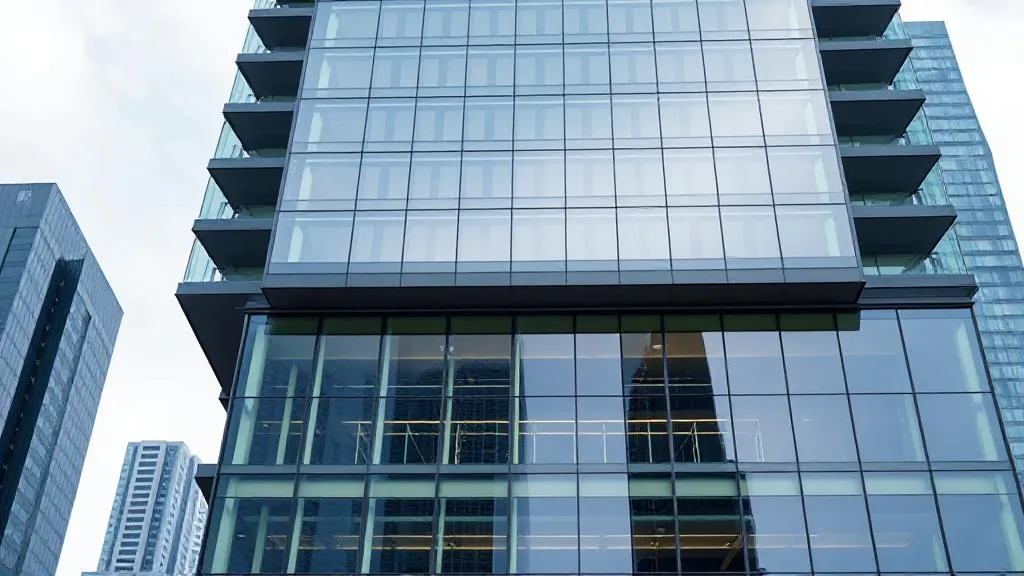
A façade with reflective glass is a type of glass façade in which glass panels are coated with a reflective (solar-control) layer that reflects solar radiation and reduces the amount of heat entering the building. Such façades are used on buildings with large glazed surfaces to provide protection against overheating, achieve energy efficiency, and at the same time ensure a modern, visually distinctive appearance.
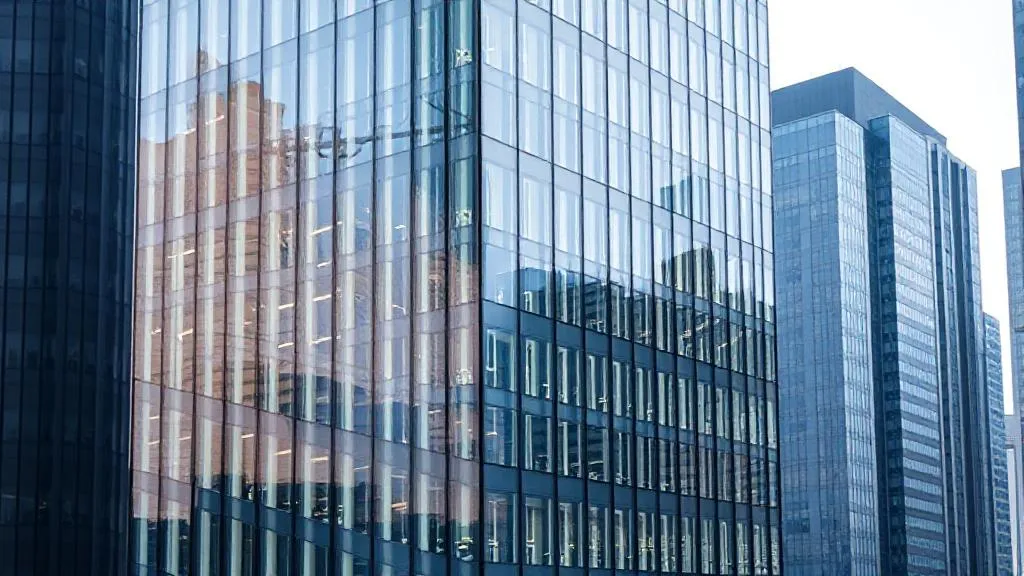
An energy-efficient glass façade is a modern façade solution that enables reduced energy consumption in buildings through advanced materials, manufacturing technologies, and proper installation. Such façades are designed to allow maximum natural daylight while simultaneously minimizing heat loss in winter and preventing overheating in summer. They are used in commercial, public, and residential buildings in accordance with energy standards and regulations.
 Belgrade, Serbia
 info@alu-pvcbogdanovic.rs
 Mon – Fri: 08 AM – 04 PM