 Belgrade, Serbia
 info@alu-pvcbogdanovic.rs
 Mon – Fri: 08 AM – 04 PM
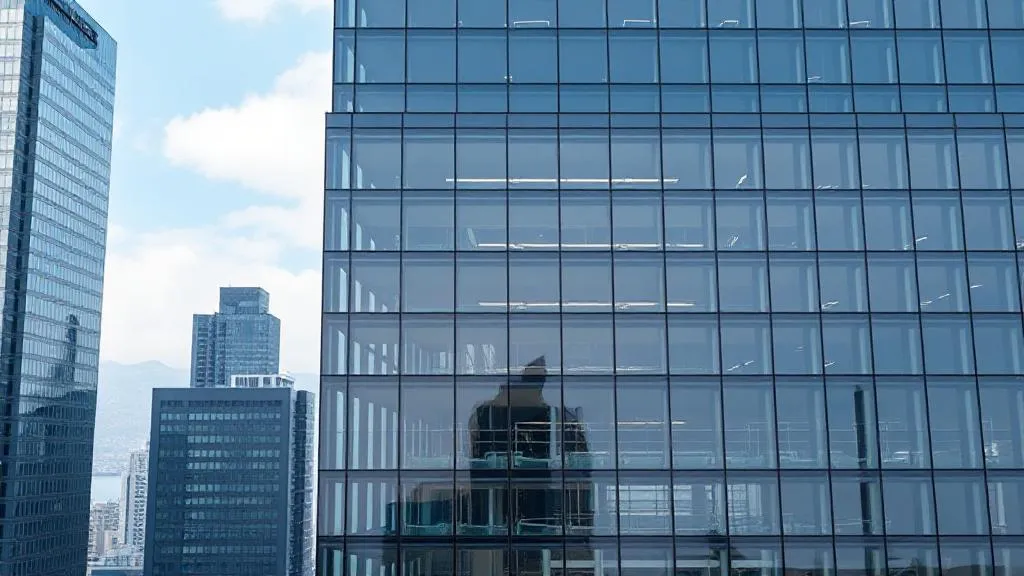
Thermally insulated glass façade – energy efficiency through technical design
A thermally insulated glass façade is a system that uses multi-layer glass in combination with aluminum profiles featuring thermal breaks to achieve maximum energy efficiency of a building. These façades are a standard in modern construction of commercial and residential buildings, as they reduce heat loss in winter, limit overheating in summer, and contribute to lower heating and cooling costs.
A thermally insulated glass façade is a key element of energy-efficient construction. By combining multi-layer IGU glass, low-emissivity coatings, gas filling, and aluminum profiles with thermal breaks, a high level of thermal insulation and comfort is achieved. A properly designed and installed system contributes to significant energy savings, reduced emissions, and long-term building quality.
Key components of thermally insulated façades
Achieving thermal insulation in a façade does not depend on a single element, but on the entire system in which glass, profiles, and sealing work together.
- IGU glass (insulating glass units): double or triple glazing with gas filling (argon, krypton) in the cavity
- Low-E coating: applied to the inner glass surface to reduce radiant heat loss
- Thermal break in profiles: polyamide strips separating the interior and exterior parts of the aluminum profile
- Sealing systems: gaskets and tapes preventing air and moisture penetration
Function of IGU glass in thermal insulation
IGU glass consists of at least two glass panes with a gas-filled cavity between them. The gas (most commonly argon) has lower thermal conductivity than air and therefore reduces heat losses.
- Argon reduces energy loss by 30% compared to a standard air-filled cavity
- The Low-E coating reflects heat back into the room
- U-values of IGU glass can be below 1.0 W/m²K for triple glazing
Thermal break in aluminum profiles
Aluminum as a material has high thermal conductivity. Therefore, it is necessary to interrupt the thermal bridge within the profile. This is achieved using a polyamide insert that separates the interior and exterior sides of the profile.
- The thickness of the thermal break depends on the profile type (typically 16–34 mm)
- Thermal breaks significantly improve the overall U-value of the system
- Minimization of condensation on interior surfaces
Energy benefits
Thermally insulated façades directly affect energy consumption and user comfort within the building. A properly designed and installed façade system contributes to:
- Reduced energy consumption for heating and cooling
- Increased comfort due to more stable indoor temperatures
- Reduced CO₂ emissions
- Achievement of energy efficiency certifications (e.g. LEED, BREEAM)
Standards and regulations
Thermally insulated façades must comply with technical standards related to thermal insulation, sealing, and energy performance. Key standards include:
- EN 673 – thermal transmittance of IGU glass
- EN 10077 – thermal characteristics of window systems
- EN 12207 – air permeability
- EN 12208 – water tightness
- EN 13830 – curtain wall systems
Application in architecture
Thermally insulated façades are used in a wide range of buildings – from commercial buildings and public institutions to modern residential complexes. Façades can be combined with reflective, solar-control, or acoustic glass depending on the specific project requirements.
- Façade surfaces oriented to the south or west
- Buildings with low energy consumption requirements
- Buildings in climatically extreme zones