 Belgrade, Serbia
 info@alu-pvcbogdanovic.rs
 Mon – Fri: 08 AM – 04 PM
Completed projects 100+

We design and manufacture all types of glass facades – structural, semi-structural, spider, and ventilated systems. Our facade systems use high-quality aluminum profiles, thermally insulated glass, and UV protection, in compliance with modern construction standards and energy efficiency requirements.
Completed projects 100+
An overview of the latest and most relevant blogs covering key topics in the field of glass facades – from system types and energy efficiency to safety and UV characteristics of glass. The articles are written precisely, with a focus on technical details, practical application, and applicable standards in modern construction.
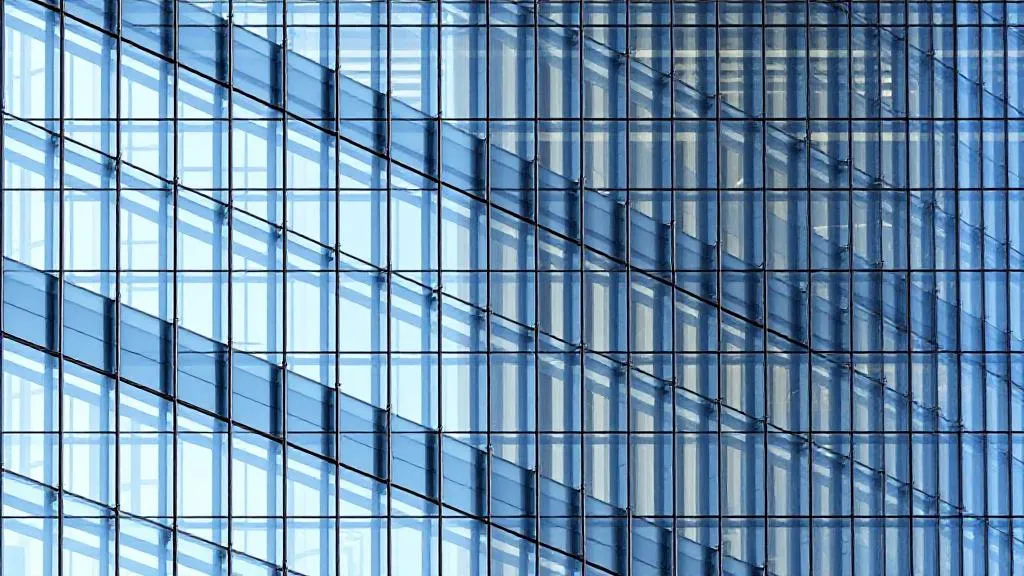
Aluminum profiles form the basic structure of glass façades. Their role is to support glass units, ensure the mechanical stability of the entire system, and enable the installation of seals, fittings, and thermal insulation elements. Depending on the façade type (structural, semi-structural, spider, ventilated), different profile shapes and systems are selected. Aluminum is the most commonly used material due to its corrosion resistance, low weight, and good mechanical properties.
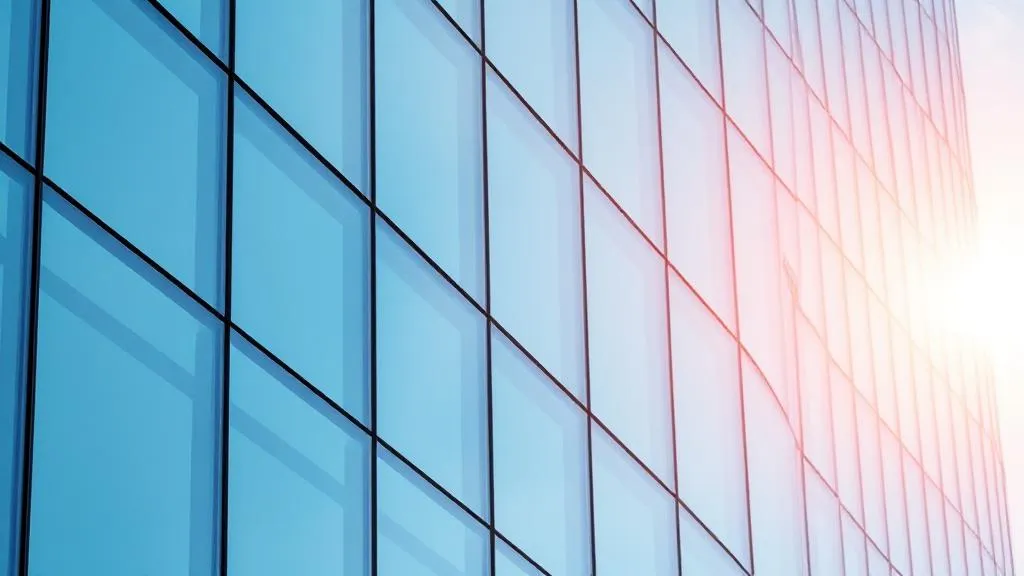
Glass façades allow natural daylight to enter a building, but they also act as a pathway for solar radiation, heat, and UV rays. Controlling radiation through glass façades has become a key component of energy efficiency and interior protection. Depending on the building’s location, orientation, climatic conditions, and intended use, different types of glass are selected to control radiation and protect the interior from overheating, UV damage, and energy loss.
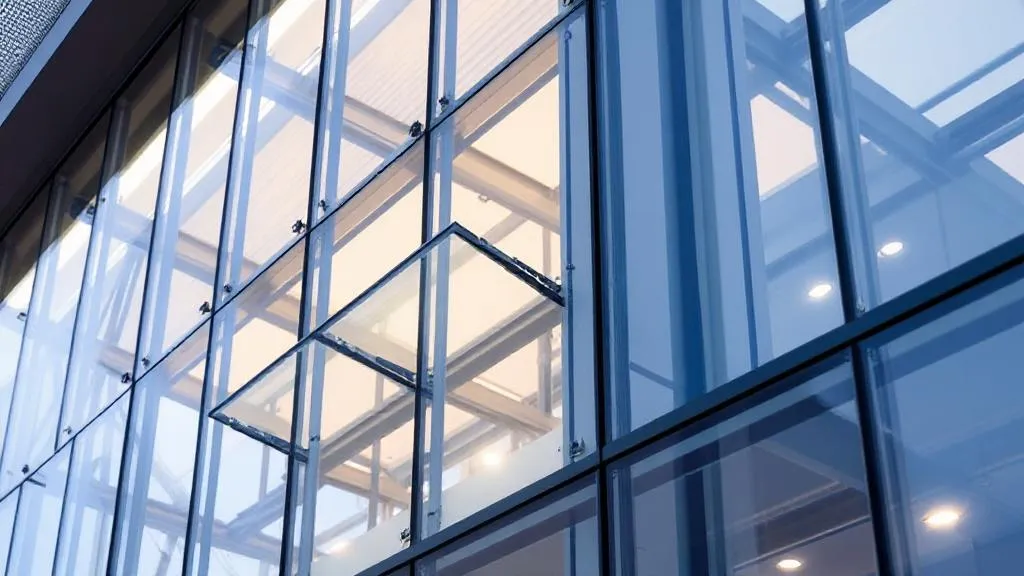
Safety glass for façades is specially processed glass that provides increased resistance to mechanical impact, temperature changes, and potential breakage. In modern architecture, safety glass is a mandatory element of all types of glass façades due to the protection of building users and compliance with construction standards. The most commonly used types of safety glass for façades are tempered and laminated glass, often combined within multi-layer (IGU) units.
Glass façades represent a combination of modern design and functionality in architecture. They are used in commercial, public, and residential buildings where there is a need for natural daylight, aesthetic value, and efficient energy protection. In contemporary construction, various types of glass façade systems are applied depending on structural, functional, and technical requirements. Below are explained the key types and components of glass façades commonly used in practice.
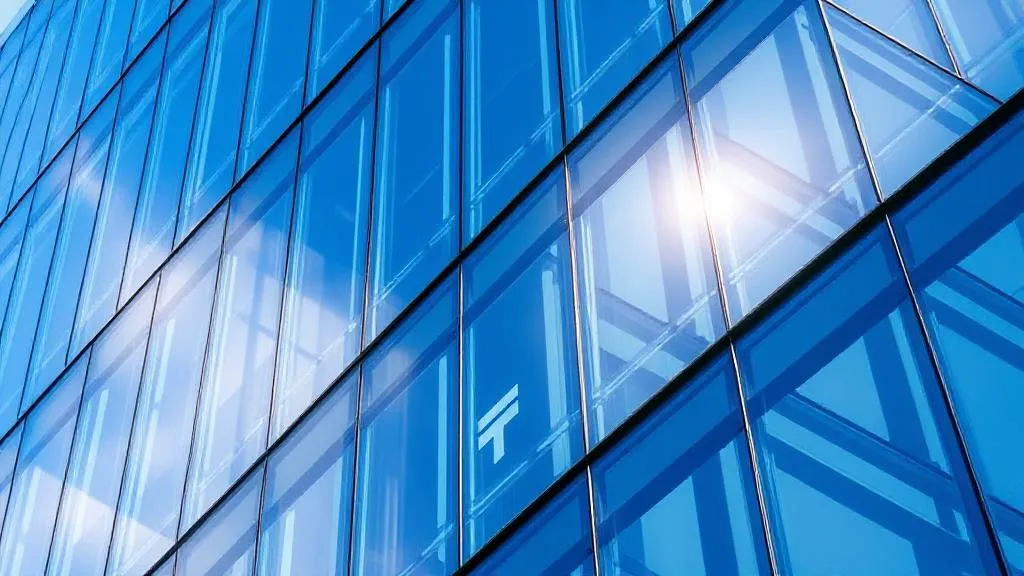
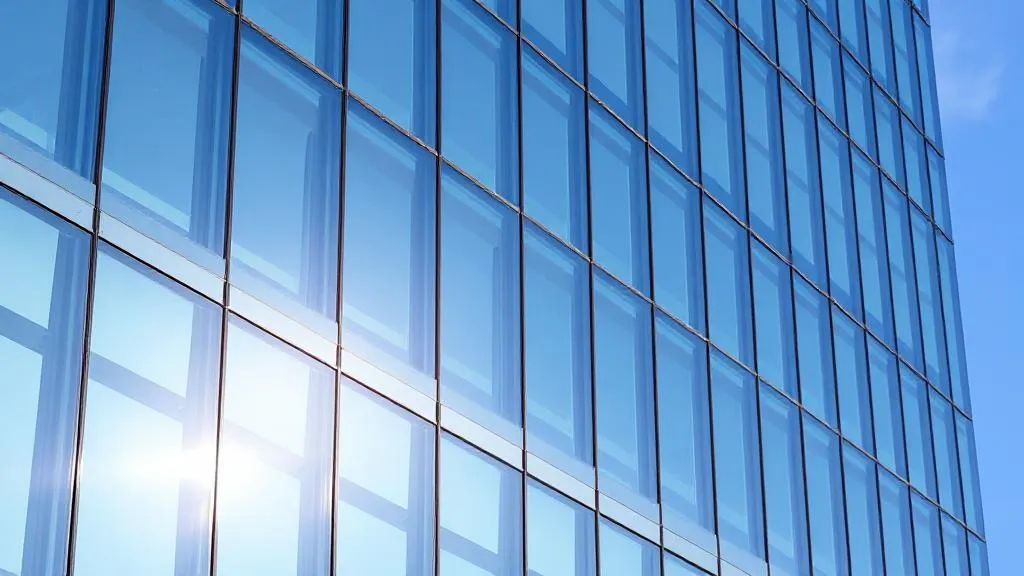
The exterior appearance of the façade is a flat glass surface with minimally visible joints. It is most commonly used for office buildings and commercial facilities where a balance between aesthetics and load-bearing capacity is required.
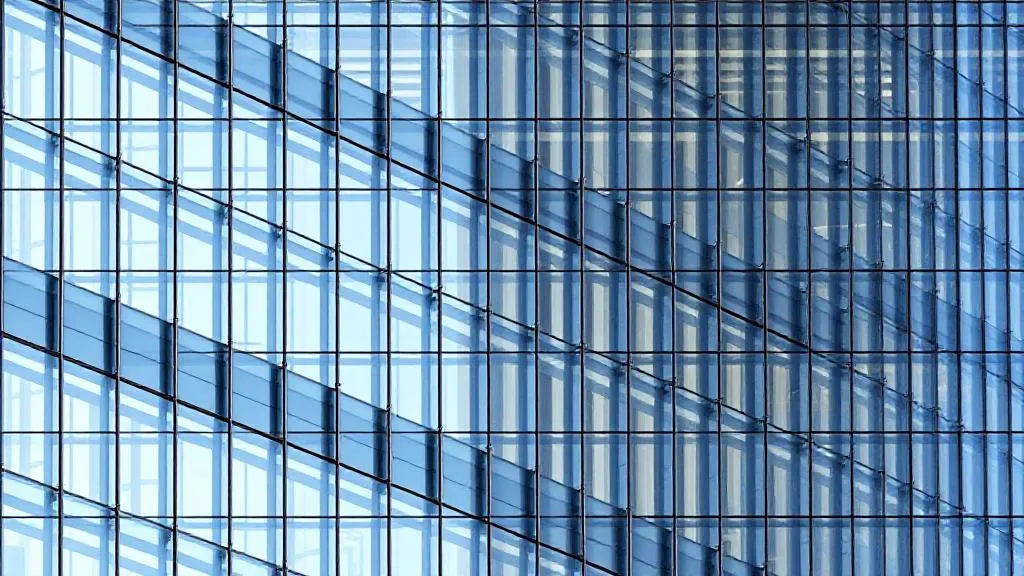
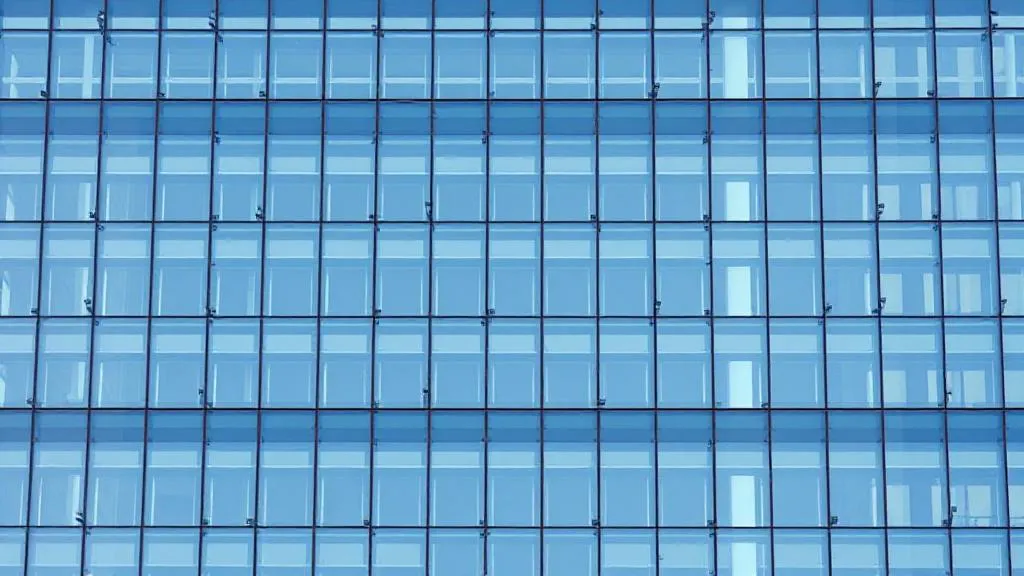
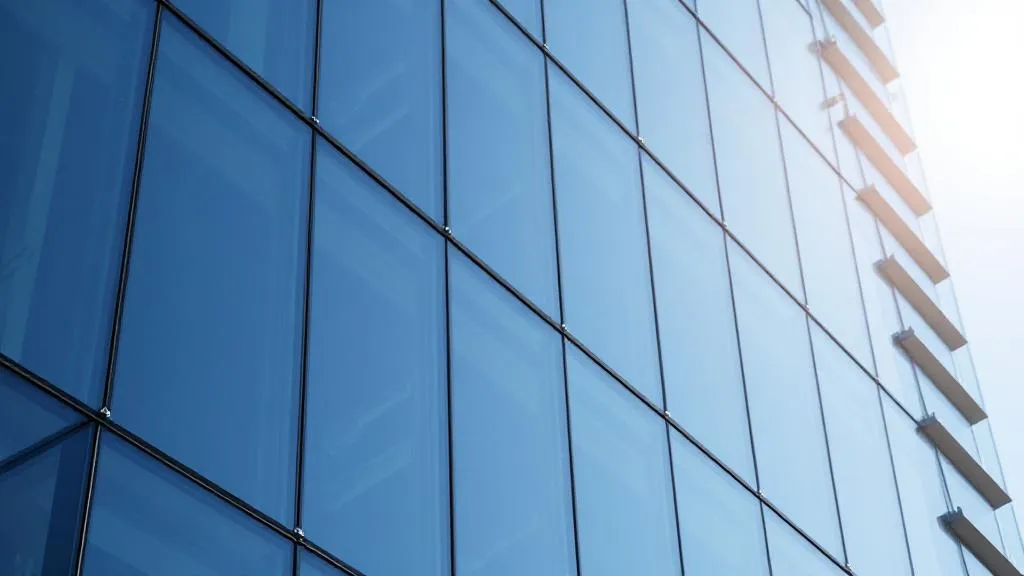
This façade system does not use conventional profiles, achieving maximum transparency and a minimalist appearance. It is suitable for entrance areas, atriums, lobbies, and other spaces where visual impact and openness are essential.
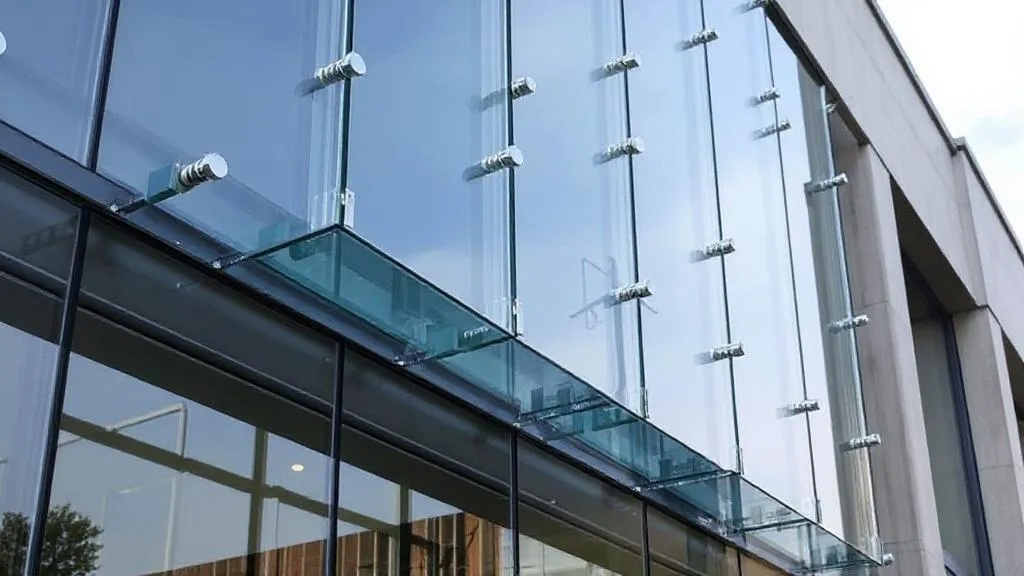
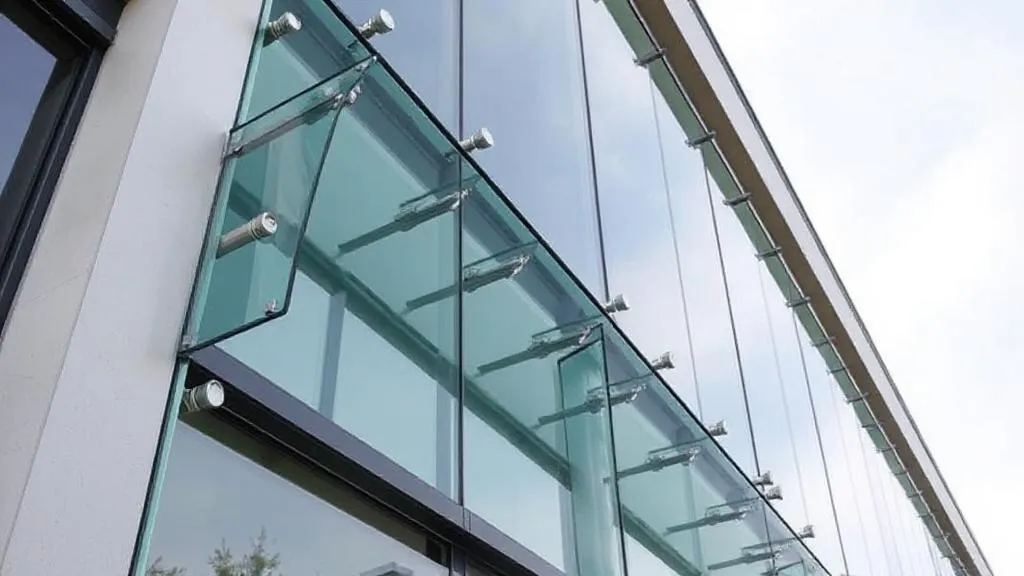
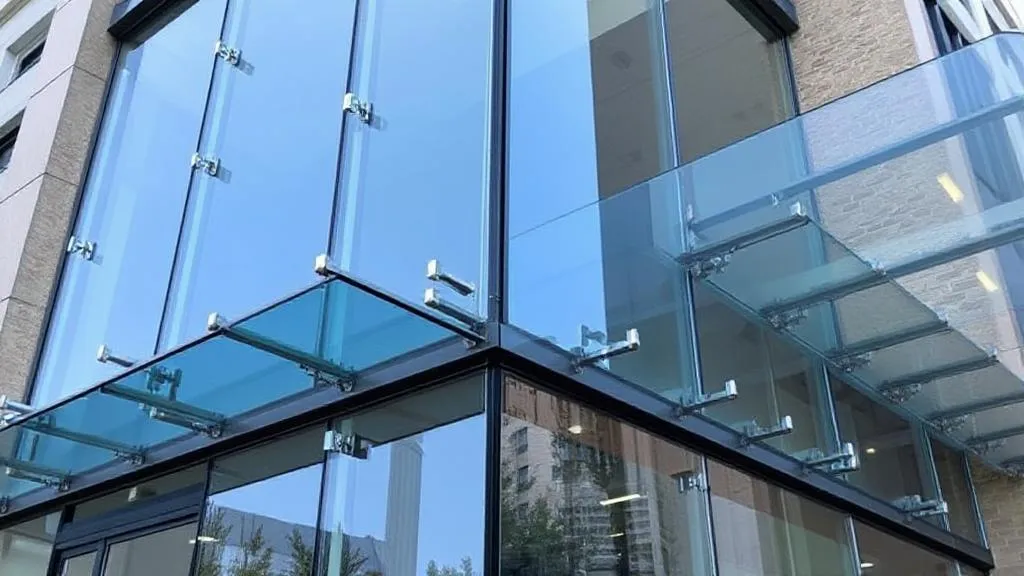
The goal is to achieve improved energy performance of the building through temperature control, condensation management, and noise reduction. This system is particularly beneficial for buildings with high energy-efficiency requirements.
The outer glass layer protects against direct solar radiation
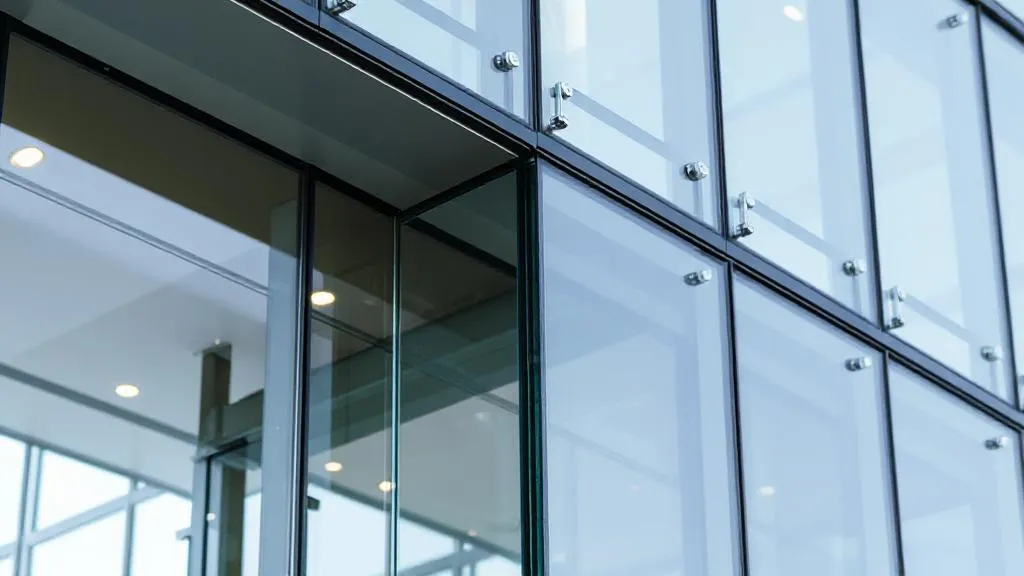
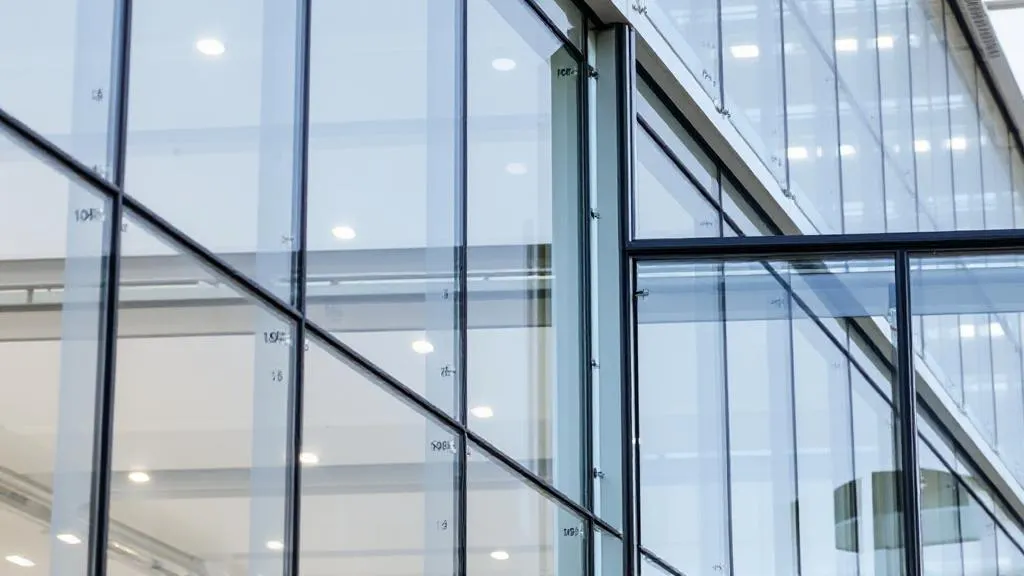
that include aluminum profiles, brackets, glass units, seals, and all other components required to create a functional and safe glass façade. These systems are available in various configurations depending on the type of building, façade height, and insulation requirements.
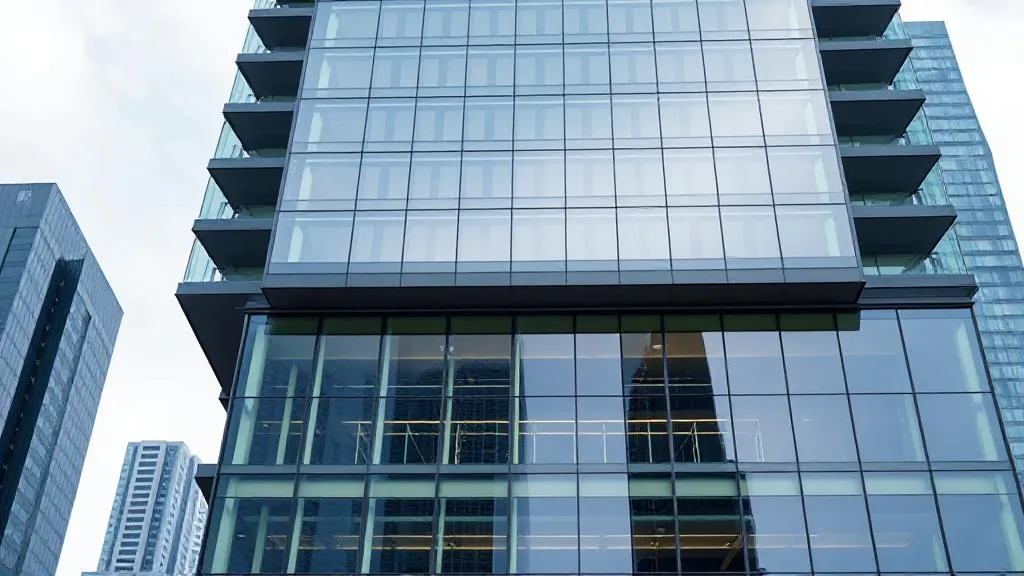
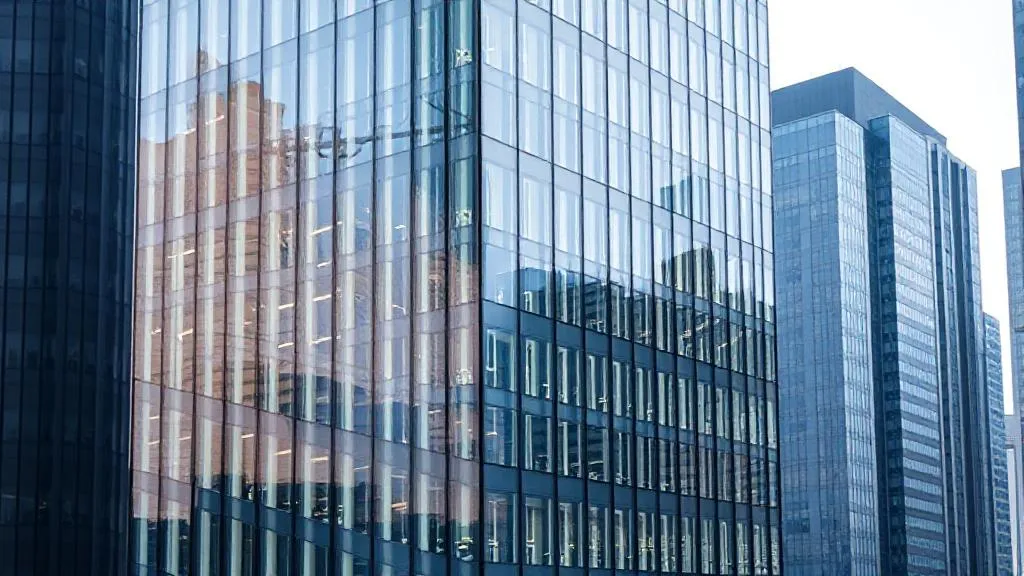
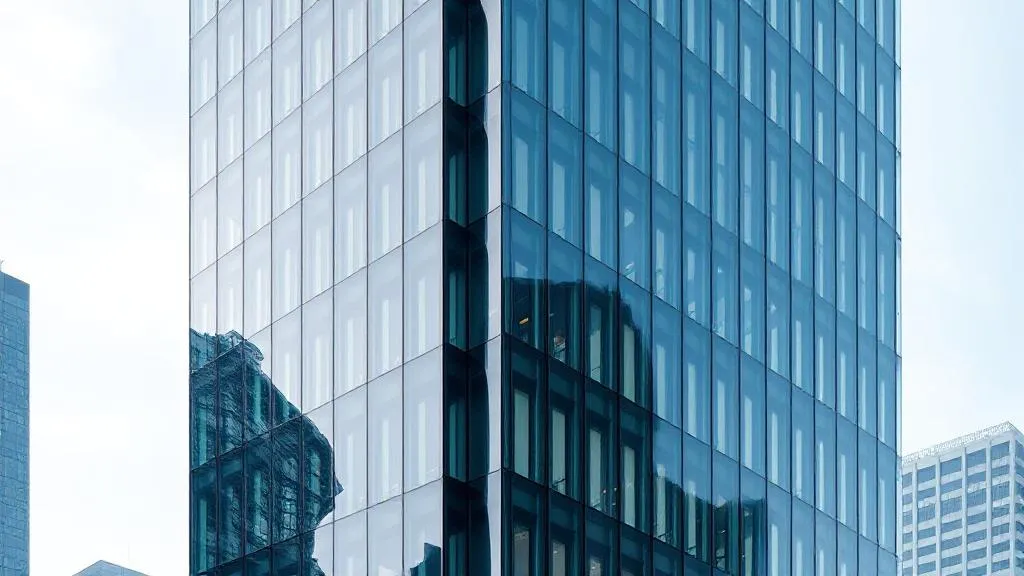
✔️ There are four main types:
✔️ Yes. When insulating glass units (IGU) with Low-E coatings and thermally broken aluminum profiles are used, glass façades can achieve a high level of thermal and acoustic insulation, in accordance with current energy standards.
✔️ In a structural façade, the glass is fixed without visible external profiles, while in a semi-structural façade profiles may be visible in one direction (vertical or horizontal), allowing easier installation and a slightly lower cost.
✔️ Yes. Façade glass can be equipped with special UV coatings (solar-control or Low-E) that block up to 99% of UV radiation. This protects the interior from fading and reduces heat gain.
✔️ Safety glass is most commonly used – tempered, laminated, or insulating (IGU) glass. Depending on project requirements, single-, double-, or triple-glazed units with different finishes (clear, reflective, tinted, frosted) can be used.
The price depends on several factors: system type (structural, spider, ventilated), glass specification, installation complexity, building height, and additional insulation requirements. The average price ranges between 250 and 450 EUR/m² for a complete system including installation.
✔️ Installation time depends on the size of the building and the system type. For smaller façades up to 100 m², installation takes approximately 5–7 working days. For larger commercial buildings, installation may take several weeks, including substructure preparation and safety inspections.