 Belgrade, Serbia
 info@alu-pvcbogdanovic.rs
 Mon – Fri: 08 AM – 04 PM
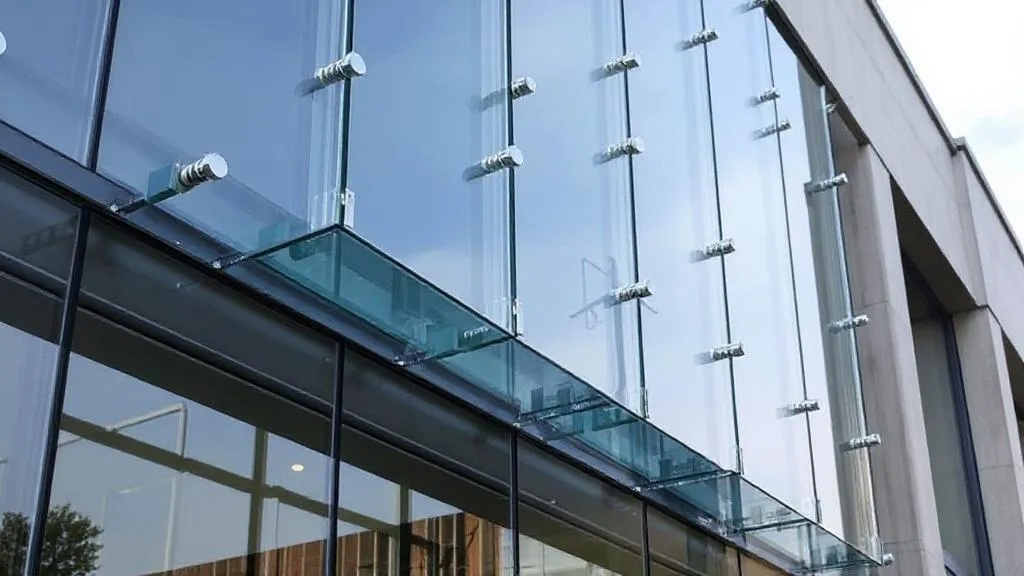
Fire-resistant glass façade – protection and safety in modern construction
A fire-resistant glass façade is a specially engineered glass façade designed to meet fire-resistance requirements in accordance with prescribed classifications and standards. Such façades are used in buildings where protection against the spread of fire, smoke, and thermal radiation is required, while maintaining visual openness and natural daylight. The system typically involves the use of fire-rated glass combined with certified aluminum profiles and sealing components resistant to high temperatures.
A fire-resistant glass façade represents a safety solution that meets architectural and regulatory requirements. It provides transparency and daylight while simultaneously protecting people and buildings from the effects of fire. Through proper system selection, professional installation, and regular inspections, a durable and safe façade system is ensured, fully compliant with all necessary standards and requirements of modern construction.
What is fire-resistant glass?
Fire-resistant glass is multi-layer safety glass designed to maintain mechanical stability during a fire and protect spaces from the transmission of flames, heat, and smoke. There are different types depending on the level of protection:
- Class E (Integrity): Retains flames and smoke, but not heat
- Class EW (Integrity + Low Radiation): Prevents flame spread and reduces radiant heat transfer
- Class EI (Integrity + Insulation): Retains flames and heat, preventing temperature rise on the non-fire side
Characteristics of a fire-resistant glass façade
Fire-resistant façades combine safety glass with profiles that are fire-resistant for durations of 30, 60, 90, or even 120 minutes. The entire façade solution must be tested as a complete system.
- Fire resistance in accordance with classification (EI30, EI60, etc.)
- Multi-layer glass with intumescent (expanding) interlayers
- Specialized sealing materials and fire-rated hardware
- Appropriate aluminum, steel, or steel-aluminum profiles with thermal protection
Where are fire-resistant façades used?
The use of fire-resistant glass façades is mandatory in buildings where regulations require fire barriers and partial fire resistance of façade elements. They are mainly used in the following cases:
- High-rise buildings (structures over 22 m in height)
- Evacuation routes and stairwells
- Hospitals, schools, and public institutions
- Commercial and shopping centers with high occupant density
- Inter-floor barriers (fire stops between floors)
Technical execution and installation
A fire-resistant façade system must be designed and installed as an integrated whole. All components—glass, profiles, seals, and additional reinforcements—must be part of a certified system. Substitution of individual components with non-certified materials is not permitted.
- Complete sealing of joints and connections
- Installation in accordance with the system manufacturer’s instructions
- Fire-resistance tests must apply to the entire system, not only the glass
Standards and certification
Fire-resistant glass façades must comply with European standards defining fire resistance and test methods. Key standards include:
- EN 13501-2 – fire resistance classification (E, EW, EI)
- EN 1364-3 – fire testing of non-loadbearing façade systems exposed to external fire
- EN 1634-1 – fire resistance testing of doors, partitions, and façades
- EN 14449 – laminated safety glass
Advantages of a fire-resistant glass façade
The application of a fire-resistant glass façade provides protection for people and property in the event of a fire, while maintaining daylight and the aesthetics of glass surfaces.
- Safety of building occupants in the event of fire
- Control of flame spread, smoke, and thermal radiation
- Compliance with fire safety regulations
- Combination of functionality and transparency of glass elements
Maintenance and inspection
Fire-resistant façades require regular inspections to ensure all elements function correctly in the event of a fire. Maintenance is straightforward, but it is important to regularly check the integrity of seals, joints, and any physical damage to glass or profiles.
- Visual inspection of joints and expansion gaps
- Verification of certifications and markings on glass
- Regular cleaning as with standard glass façades