 Belgrade, Serbia
 info@alu-pvcbogdanovic.rs
 Mon – Fri: 08 AM – 04 PM
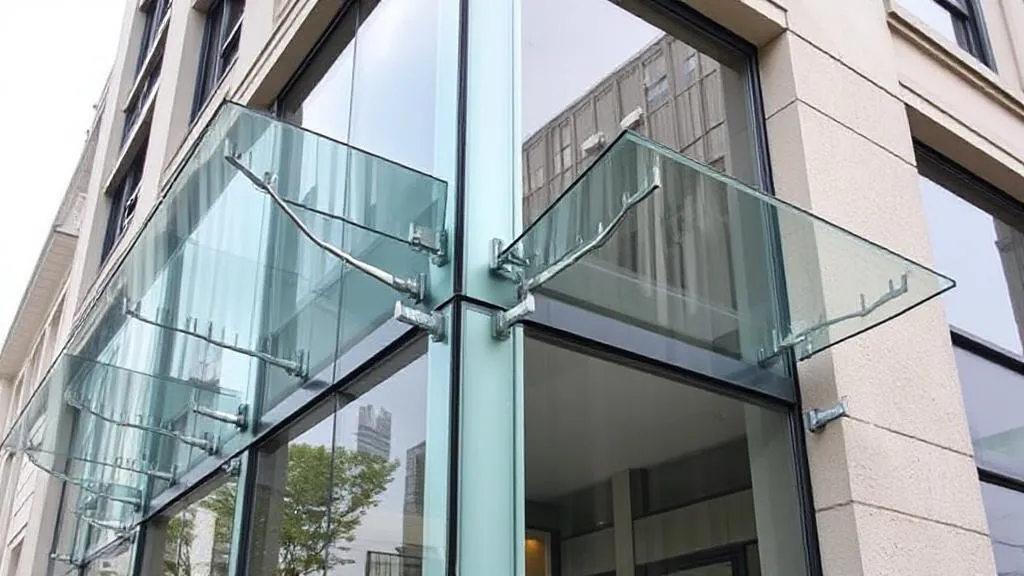
Ventilated glass façade – double protection through controlled ventilation
A ventilated glass façade is a system consisting of two layers – an external glass envelope and the internal load-bearing wall of the building – with a ventilated air cavity between them. This construction enables air circulation between layers, increasing energy efficiency, improving acoustic insulation, and ensuring a stable indoor climate. The system is used in high-performance buildings such as office complexes, hospitals, educational institutions, and energy-certified buildings.
Ventilated glass façades are a high-performance solution providing energy efficiency, functional reliability, and modern visual appeal. Through controlled ventilation between layers, a stable indoor microclimate is created, the need for active heating and cooling is reduced, and the durability of the façade system is increased. Such façades are especially recommended for buildings aiming for sustainability and long-term operational efficiency.
Construction of a ventilated glass façade
The ventilated façade system includes several technical components that function as a single unit:
- Inner layer: load-bearing wall of the building (concrete, block, steel)
- Insulation layer: thermal and acoustic insulation mounted on the inner wall
- Air cavity: space 2–30 cm wide for ventilation and temperature control
- Outer layer: glass envelope protecting the system from atmospheric influences
Operating principle of a ventilated façade
Air entering at the bottom of the façade is heated by solar radiation and exits through openings at the top. This process creates a natural convection effect (chimney effect) that helps remove heat from the cavity and prevents overheating of the building’s inner layer.
- Prevents interior overheating in summer
- In winter, the additional air layer reduces heat loss
- The system can have open or closed ventilation
Advantages of ventilated glass façades
A ventilated façade combines multiple functional advantages that are especially important in energy-efficient construction:
- Thermal stability of the building and reduced need for heating/cooling
- Protection of the load-bearing structure from precipitation and UV radiation
- Reduced condensation and increased durability of façade layers
- Possibility of using transparent, reflective, and tinted glass
- Aesthetic effect of layering and depth on the façade
Types of ventilated façades by ventilation mode
- Open system: air freely enters and exits the ventilation cavity
- Closed system: hermetically sealed cavity with controlled climate
- Hybrid system: combination of open and closed zones
Combination with additional functions
Ventilated glass façades can be combined with additional layers and glazing:
- Low-E and solar-control glass for improved radiation control
- Laminated safety glass for impact protection
- Acoustic glass for buildings in noisy urban environments
- Automated blinds or louvers within the cavity for additional light control
Technical requirements and standards
Ventilated façades must be designed and executed in accordance with relevant technical standards and regulations:
- EN 13830 – curtain wall systems
- EN 13119 – thermal performance and vapor permeability
- EN 12101 – smoke control systems (if applicable)
- EN 1279 – insulating glass units with radiation protection functions