 Belgrade, Serbia
 info@alu-pvcbogdanovic.rs
 Mon – Fri: 08 AM – 04 PM
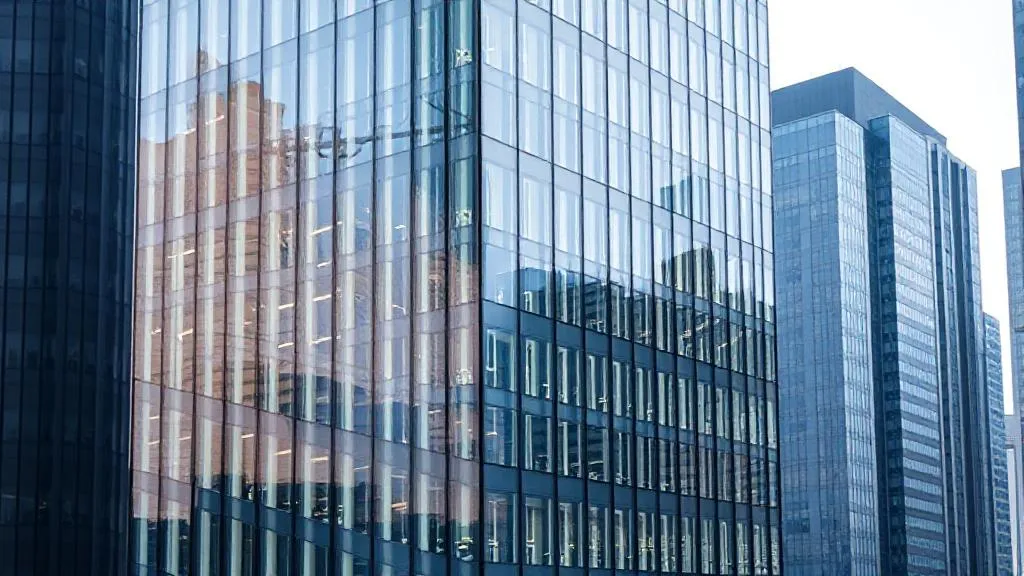
Energy-efficient glass façade – characteristics, application, and advantages
An energy-efficient glass façade is a modern façade solution that enables reduced energy consumption in buildings through advanced materials, manufacturing technologies, and proper installation. Such façades are designed to allow maximum natural daylight while simultaneously minimizing heat loss in winter and preventing overheating in summer. They are used in commercial, public, and residential buildings in accordance with energy standards and regulations.
An energy-efficient glass façade is an essential element of modern construction, especially in buildings with large glazed areas. By using insulating glass, thermally broken profiles, and proper installation, an optimal balance between natural daylight and energy savings is achieved. The installation of such systems not only reduces operating costs but also contributes to the long-term value and sustainability of the building.
Core components of an energy-efficient glass façade
The energy efficiency of a glass façade depends on a combination of several technical factors. Each system component contributes to reducing heat loss and increasing the overall thermal insulation of the building.
- IGU (insulating glass units): composed of two or more glass layers with a gas-filled cavity (most commonly argon) and a Low-E (low-emissivity) coating to reflect heat
- Thermally broken aluminum profiles: profiles with integrated polyamide strips that interrupt thermal bridging
- Hermetic sealing: gaskets and seals that prevent the ingress of moisture, air, and dust
- Solar energy control systems: external louvers, solar-reflective glass, or automated shading systems
Types of energy-efficient glass
Glass plays a key role in the overall energy balance of the façade. Depending on building orientation and climatic conditions, different types of glass are used.
- Low-E glass: features a low-emissivity coating that reflects heat back into the interior, reducing losses during winter
- Solar-control glass: reflects part of solar radiation to reduce overheating of interior spaces
- Triple glazing: three-pane glass used in buildings with high insulation requirements
Role of thermal breaks in aluminum profiles
Aluminum has high thermal conductivity, which is why thermally broken profiles are used in energy-efficient façades. A thermal break is an inserted element (most commonly polyamide) that interrupts heat transfer between the interior and exterior sides of the profile.
- Reduces heat loss through the frame structure
- Minimizes condensation on interior surfaces
- Improves the overall U-value of the façade
Advantages of an energy-efficient glass façade
Installing an energy-efficient façade provides multiple benefits for both investors and end users.
- Reduced heating and cooling costs
- Compliance with legal energy-efficiency regulations
- Improved indoor comfort due to more stable interior temperatures
- Contribution to sustainable construction and reduced environmental impact
- Increased building value and market competitiveness
Installation and technical requirements
Proper installation is essential to achieve the declared insulation performance of the façade. Precise installation of seals, system leveling, and control of joints between modules are required. Inadequate installation can result in thermal bridges, air leakage, and condensation.
- Installation must be carried out in accordance with technical documentation
- Original system components must be used
- Façade joints are additionally tested for air permeability and water tightness
Standards and regulations
Energy-efficient glass façades must comply with relevant technical standards and laws governing thermal insulation and building energy consumption.
- EN ISO 10077 – thermal transmittance of window systems
- EN 1279 – performance of insulating glass units
- EN 13830 – European standard for curtain wall façades
- Applicable national regulations on building energy efficiency